
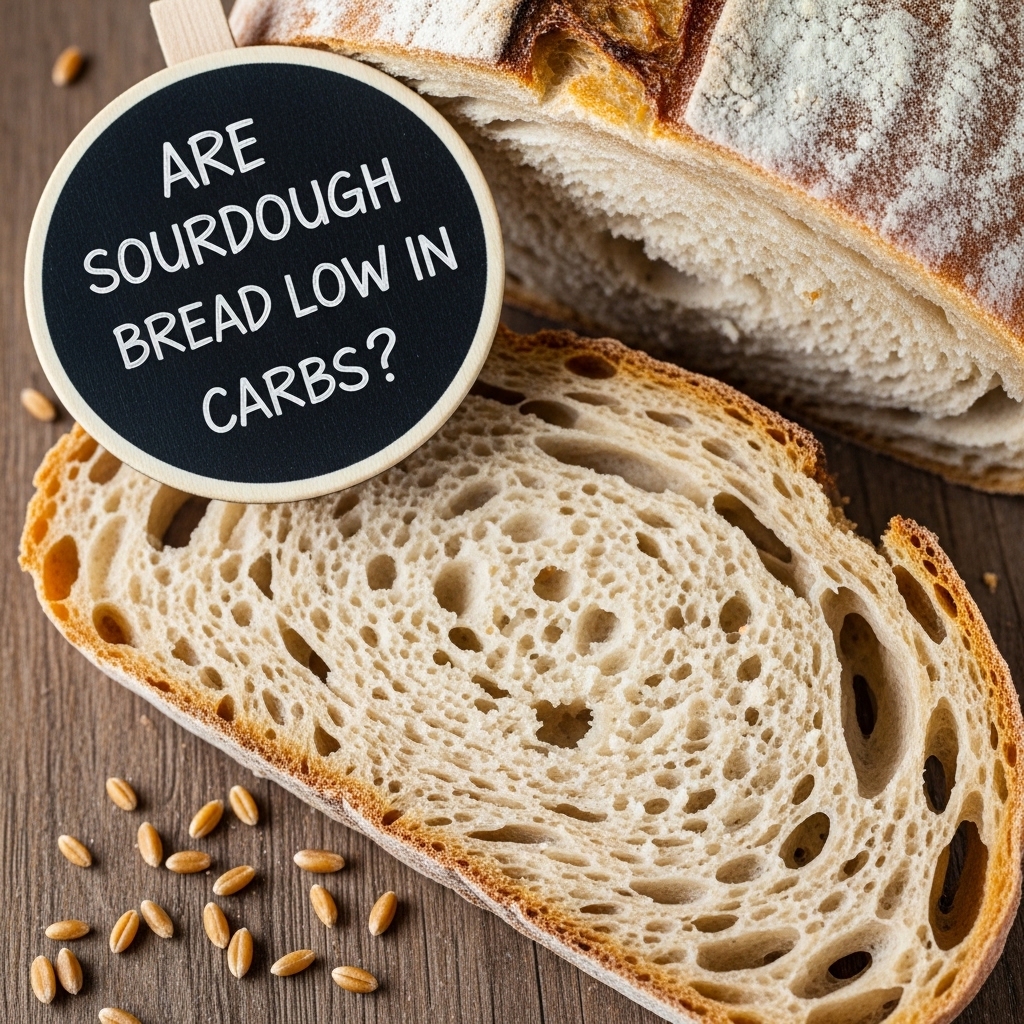
If you’ve been avoiding sourdough because you’re watching your carbs, you might be making a mistake or at least not getting the full picture.
Sourdough has exploded in popularity over the last few years, and for good reason. It tastes incredible, it’s easier on your gut than most breads, and there’s something deeply satisfying about that tangy, chewy bite. But the moment you start tracking macros or following a low-carb plan, bread becomes the enemy and sourdough often gets lumped in with the rest.
Here’s the thing: sourdough isn’t your average loaf. And understanding why could completely change how you think about it.
Let’s break it all down.
What Actually Makes Sourdough Different?
Most commercial breads are made with fast-acting commercial yeast. Mix, rise for an hour, bake done. Sourdough doesn’t work like that.
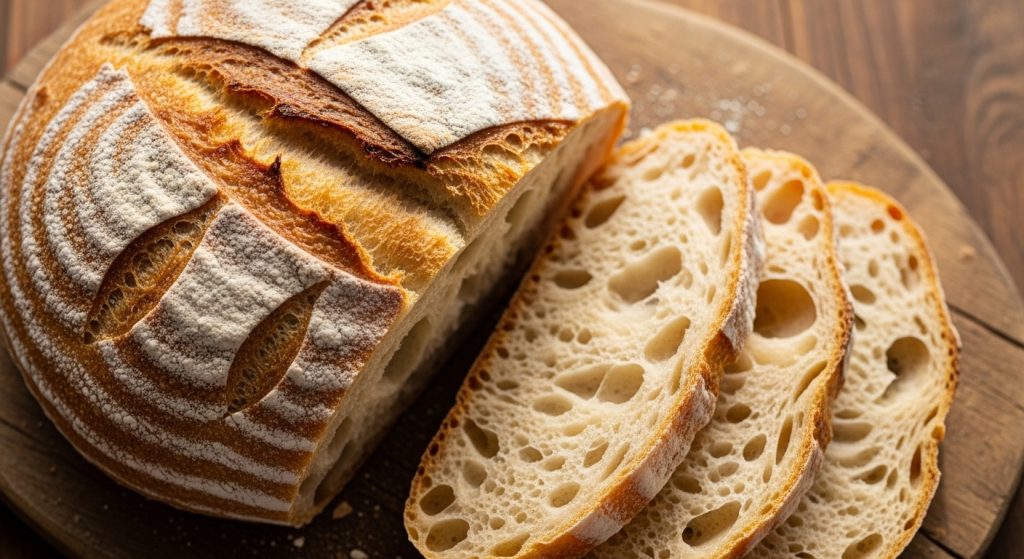
Traditional sourdough uses a “starter” a living culture of wild yeast and lactic acid bacteria that ferments the dough slowly over many hours, sometimes days. That fermentation process isn’t just responsible for the tangy flavor. It actually changes the structure of the bread at a biological level.
That distinction matters more than most people realize.
How Many Carbs Are Actually in Sourdough?
Let’s get straight to the numbers you came here for.
A typical slice of traditional sourdough (around 56g) contains roughly:
- 15–20g of carbohydrates
- 3–5g of protein
- 1–2g of fiber
Compare that to white bread, which typically packs 20–25g of carbs per slice with almost no fiber, and you can see sourdough already has an edge. It’s roughly on par with whole wheat bread in terms of carb count, though whole wheat generally edges ahead on fiber.
| Bread Type | Carbs Per Slice | Fiber | Key Notes |
| White Bread | 20–25g | ~1g | High glycemic index |
| Whole Wheat Bread | 15–20g | 2–3g | More fiber, slower digestion |
| Sourdough Bread | 15–20g | 1–2g | Fermentation may lower glycemic response |
So, no sourdough is not a low-carb food by any strict definition. But the raw carb count is only half the story.
The Fermentation Factor: Why Sourdough Hits Differently
Here’s what makes sourdough genuinely interesting from a health perspective.
During fermentation, lactic acid bacteria partially break down the starches in the flour. Some of those starches get converted into simpler compounds that the bacteria themselves consume. The result? A bread with a lower glycemic index than its carb count alone would suggest.
In plain English: sourdough tends to raise your blood sugar more slowly and less dramatically than regular white bread even when the carb counts look similar on paper. For anyone managing blood sugar, watching their insulin response, or just trying to avoid that post-lunch energy crash, that’s a meaningful difference.
Fermentation also makes the bread easier to digest and improves your body’s ability to absorb minerals like magnesium and zinc. That’s a bonus most people never think to mention.
None of this makes sourdough a “free food.” It still contains carbohydrates, and those carbohydrates still count. But context matters.
Is Sourdough Keto-Friendly?
Straight answer: no, not in its traditional form.
The ketogenic diet typically limits total daily carbs to somewhere between 20–50g. A single slice of sourdough could eat up nearly half that budget before you’ve even thought about the rest of your meals. If you’re strict keto, traditional sourdough isn’t going to fit.
However, if you love sourdough and want to stay low-carb, you’re not out of options. Low-carb sourdough alternatives made with almond flour, flaxseed meal, or coconut flour can deliver that tangy, fermented flavor with as few as 2–5g of carbs per slice. They take a little more effort to make, but the payoff is worth it if sourdough is something you genuinely miss.
The Real Health Benefits of Sourdough (Beyond the Carb Debate)
Even if sourdough doesn’t qualify as a low-carb food, it brings some genuine advantages to the table that most processed breads simply can’t match.
Gut health. The fermentation process produces prebiotics that feed beneficial gut bacteria. Your digestive system will thank you.
Better nutrient absorption. Sourdough fermentation reduces phytic acid, an antinutrient that blocks mineral absorption. You’ll actually get more out of the magnesium and zinc in the bread.
Easier on gluten sensitivity. Many people who struggle with conventional bread find sourdough much easier to tolerate. The long fermentation partially breaks down gluten proteins, making them less reactive. (Note: this does not make sourdough safe for people with celiac disease.)
More satisfying. The combination of slower digestion and lower glycemic response means you tend to feel fuller for longer which matters a lot if you’re watching your overall calorie intake.
What to Watch Out For
Sourdough is healthy, but it’s not magic. A few things worth keeping in mind:
Portion size is everything. One slice at 15–20g of carbs is manageable. Three slices is a different conversation entirely.
Calories still add up. A slice of sourdough typically runs 120–150 calories. That’s not alarming, but it’s not trivial either.
Not all sourdoughs are created equal. Many supermarket “sourdoughs” are made with added vinegar for flavor and commercial yeast for speed skipping the fermentation entirely. If you want the real benefits, look for bread that uses a genuine starter and a slow fermentation process, or make it yourself.
How to Enjoy Sourdough on a Low-Carb Diet
You don’t have to give it up entirely. A few smart strategies go a long way:
Control your portions. One slice, measured and counted, fits into most moderate low-carb approaches. Two slices start to push limits.
Pair it strategically. Eating sourdough alongside protein and healthy fat eggs, avocado, smoked salmon slows digestion and blunts the blood sugar response. Open-faced sandwiches are a great way to get the experience with half the carbs.
Go for the real thing. Seek out authentic long-fermented sourdough. The longer the fermentation, the more beneficial the effect on glycemic response.
Try low-carb versions. Almond flour sourdough in particular has come a long way and is genuinely delicious when done right.
How to Make Your Own Low-Carb Sourdough
If you want full control over the carb count, making your own is the way to go. Here’s the basic approach:
- Swap the flour. Almond flour or flaxseed meal are your best friends here. Both ferment reasonably well and produce a good texture.
- Use psyllium husk or eggs to bind the dough and give it the structure that gluten normally provides.
- Ferment longer. A longer fermentation improves both flavor and digestibility, so don’t rush it.
- Slice thin. Thinner slices mean fewer carbs per serving simple, but effective.
Frequently Asked Questions
Does sourdough raise blood sugar? Yes, but generally less than white bread. The fermentation process lowers the glycemic response, though it still contains carbohydrates that affect blood sugar.
How many carbs are in one slice of sourdough? Typically, 15–20 grams, depending on the size of the slice and the flour used.
Is sourdough better than whole wheat bread? It depends on your priorities. Whole wheat edges ahead on fiber content, but sourdough may have an advantage in terms of digestibility and glycemic response thanks to fermentation.
Can diabetics eat sourdough? In moderation, yes. Portion control and pairing with protein or fat are key. Always consult your healthcare provider for personalized guidance.
Is sourdough gluten-free? Traditional sourdough is not gluten-free. Low-carb versions made with almond or coconut flour can be gluten-free, but check all ingredients carefully.
What’s the best way to reduce carbs in sourdough? Use low-carb flours like almond or flaxseed, slice thin, and stick to one serving.
The Bottom Line
Sourdough bread is not a low-carb food but it’s probably better for you than you think.
Its unique fermentation process sets it apart from every other bread on the shelf. It digests more gently, spikes blood sugar less aggressively, and delivers genuine gut health benefits that processed bread simply can’t replicate. If you’re on a strict keto plan, traditional sourdough likely won’t fit. But if you’re following a moderate low-carb approach, a well-portioned slice of real sourdough can absolutely have a place on your plate.
The key, as with almost everything in nutrition, is knowing what you’re eating, how much you’re eating, and what you’re eating it with.
Now you know. Use it wisely and enjoy every bite.